OR WAIT null SECS
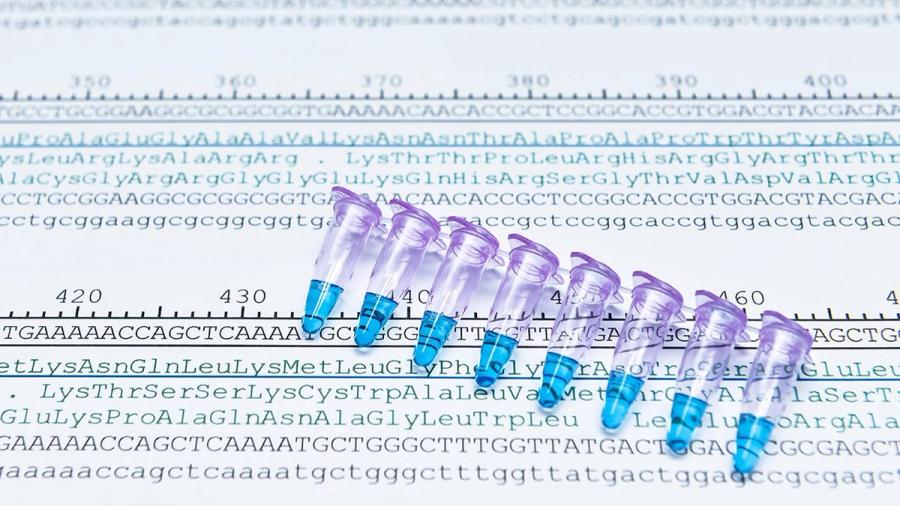
There is a great need for sensitive, precise, and easily accessible analytical detection techniques for protein sequencing.
The emergence of mRNA vaccines and cell and gene therapies has pushed innovation in analytical methods.
Effective analytics will eliminate failures, deviations, and non-conformances.
September 02, 2011
The third in a series of eight case studies from the Product Quality Research Institute focuses on facility biocontainment and inactivation.
September 01, 2011
Elham Blouet from Roquette explains the importance of carbohydrates for injection and the challenges in this niche market.
By providing an information "fingerprint", infrared red spectroscopy is a useful tool for identifying counterfeit pharmaceuticals. The authors identify best practices for ensuring compliance.
Highly potent APIs (HPAPIs) represent a growing area of interest for the pharma industry. Mark Griffiths, CEO of Carbogen Amcis AG, explains why.
A Q&A with Brian Johnson, senior director of supply chain security at Pfizer, moderated by Patricia Van Arnum. Part of a special Ingredients issue.
The authors provide an overview of methods for the quantitative determination of genotoxic impurities (GTIs) in active pharmaceutical ingredients.
Recently, there have been many innovations in the latest techniques and technologies in API purification. In particular, the trend to single-use systems has had a significant impact on processes.
The author examines sample-preparations methods used in inductively coupled plasma–optimal emission spectroscopy for four test metals.
August 17, 2011
We try to use previous experience to develop the optimal granulation process for each new ingredient, but we sometimes get it wrong. Many times, we?ve taken materials from the granulator only to find that they exhibit poor flow and insufficient density. How can we easily determine the end point of a given granulation process?
August 02, 2011
A firm grasp of probability and ongoing re-evaluation are key.